Captivating Landscapes: A Journey Through Stunning Photography

Photography has the power to transport us to places we may never visit. It captures the beauty of our world in ways that words often cannot. In this blog post, we will explore the art of landscape photography, the techniques that can elevate your images, and the breathtaking locations that inspire photographers around the globe. Whether you are a seasoned photographer or just starting, this journey through stunning photography will ignite your passion for capturing the world around you.

Understanding Landscape Photography
Landscape photography is more than just pointing a camera at a beautiful scene. It involves understanding the elements that make a photograph compelling. Here are some key aspects to consider:
Composition
Composition is the arrangement of elements within your frame. A well-composed photograph draws the viewer's eye and creates a sense of balance. Here are some tips for effective composition:
Rule of Thirds: Divide your frame into a grid of nine equal parts. Place key elements along these lines or at their intersections to create a more dynamic image.
Leading Lines: Use natural lines in the landscape, such as roads, rivers, or fences, to guide the viewer's eye through the photograph.
Framing: Use elements in the foreground to frame your subject. This adds depth and context to your image.
Lighting
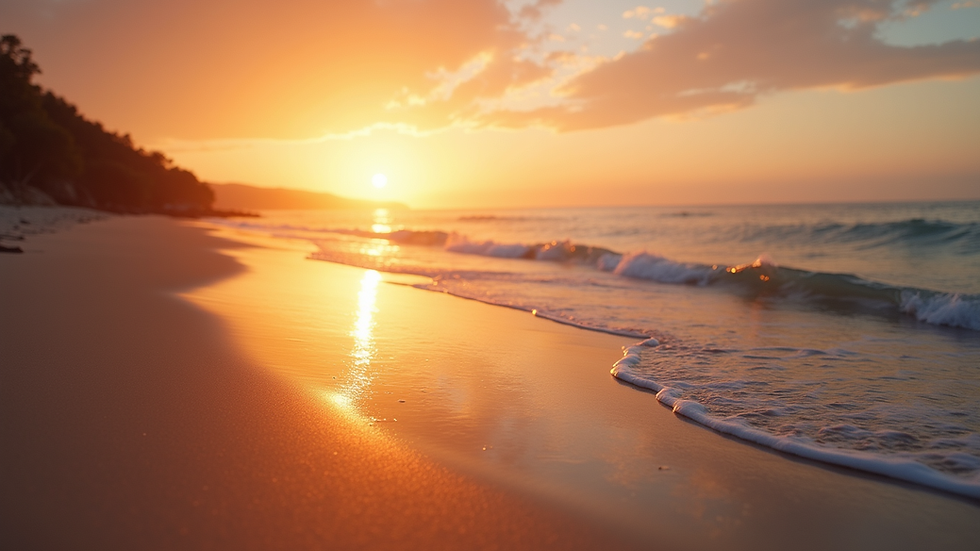
Lighting can make or break a photograph. The golden hours—shortly after sunrise and before sunset—offer soft, warm light that enhances colors and textures. Here are some lighting tips:
Golden Hour: Shoot during the golden hour for the best natural light. The soft glow can add a magical quality to your images.
Cloudy Days: Overcast skies can create even lighting, reducing harsh shadows and allowing for rich colors.
Backlighting: Experiment with backlighting to create silhouettes or highlight textures in your subject.
Equipment
While you can capture stunning landscapes with any camera, certain equipment can enhance your photography experience:
Tripod: A sturdy tripod is essential for long exposure shots, especially in low light conditions.
Wide-Angle Lens: A wide-angle lens allows you to capture expansive scenes and dramatic perspectives.
Filters: Use polarizing filters to reduce glare and enhance colors, or neutral density filters for long exposure shots.
Iconic Landscape Photography Locations
Now that we understand the fundamentals of landscape photography, let's explore some iconic locations that offer breathtaking views and unique photographic opportunities.
The Grand Canyon, USA
The Grand Canyon is a must-visit for any landscape photographer. Its vastness and intricate rock formations provide endless opportunities for stunning images. Here are some tips for photographing the Grand Canyon:
Visit at Sunrise or Sunset: The changing light creates beautiful shadows and highlights on the canyon walls.
Explore Different Viewpoints: Each viewpoint offers a unique perspective. Don’t miss the South Rim and North Rim for contrasting views.
Consider Aerial Photography: If you have access to a drone, aerial shots can capture the canyon's scale in a way that ground-level photography cannot.
Banff National Park, Canada
Banff National Park is renowned for its stunning mountain landscapes, turquoise lakes, and abundant wildlife. Here’s how to make the most of your photography trip to Banff:
Moraine Lake: Arrive early to capture the iconic view of the lake with the Valley of the Ten Peaks in the background.
Lake Louise: Experiment with different angles and compositions to showcase the lake's vibrant colors and surrounding mountains.
Wildlife Photography: Keep your camera ready for wildlife encounters, but remember to maintain a safe distance.
The Scottish Highlands
The rugged beauty of the Scottish Highlands offers a dramatic backdrop for landscape photography. Here are some highlights:
Isle of Skye: Capture the mystical landscapes, including the Old Man of Storr and the Quiraing.
Glencoe Valley: The valley's steep mountains and changing weather create a dramatic atmosphere perfect for moody photographs.
Castles and Ruins: Incorporate historical elements like castles into your compositions for added interest.
Techniques to Enhance Your Landscape Photography
To take your landscape photography to the next level, consider these advanced techniques:
Long Exposure
Long exposure photography allows you to capture movement, such as flowing water or drifting clouds. Here’s how to achieve stunning long exposure shots:
Use a Tripod: A tripod is essential to keep your camera steady during long exposures.
Neutral Density Filters: These filters reduce the amount of light entering the lens, allowing for longer exposure times without overexposing the image.
Experiment with Shutter Speed: Start with a shutter speed of 1-30 seconds and adjust based on the effect you want to achieve.
HDR Photography
High Dynamic Range (HDR) photography captures a wider range of light and detail in your images. Here’s how to create stunning HDR photos:
Bracket Your Exposures: Take multiple shots at different exposures (underexposed, correctly exposed, and overexposed).
Merge in Post-Processing: Use software like Adobe Lightroom or Photoshop to merge your images and create an HDR effect.
Avoid Overprocessing: Keep your HDR images looking natural by avoiding excessive saturation or contrast.
Panoramic Photography
Panoramic photography allows you to capture expansive landscapes in a single image. Here’s how to create stunning panoramas:
Use a Tripod: A tripod helps maintain consistent height and alignment between shots.
Overlap Your Shots: When taking multiple images, overlap each shot by about 30% to ensure a seamless merge.
Post-Processing: Use software to stitch your images together, creating a wide-angle view of the landscape.
The Emotional Impact of Landscape Photography
Landscape photography is not just about capturing beautiful images; it also evokes emotions and tells stories. Here are some ways to connect with your audience through your photography:
Conveying Mood
The mood of a photograph can be influenced by various factors, including lighting, color, and composition. Consider the following:
Color Palette: Warm colors can evoke feelings of happiness and warmth, while cool colors can create a sense of calm or melancholy.
Weather Conditions: Stormy skies can add drama, while clear skies can convey tranquility.
Subject Matter: The inclusion of elements like a lone tree or a winding path can evoke feelings of solitude or adventure.
Storytelling Through Images
Every photograph has a story to tell. Here’s how to convey a narrative through your landscape photography:
Include Foreground Elements: Adding a subject in the foreground can create a sense of depth and lead the viewer into the scene.
Capture the Journey: Document your journey to a location, including the challenges and triumphs along the way.
Create a Series: Consider creating a series of images that tell a story or explore a theme, such as the changing seasons or the impact of climate change on landscapes.
Conclusion
Capturing stunning landscapes is an art that requires practice, patience, and a keen eye for detail. By understanding composition, lighting, and the unique characteristics of iconic locations, you can create breathtaking images that resonate with viewers. Remember to experiment with different techniques and convey emotions through your photography.
As you embark on your journey through landscape photography, let your passion guide you. Whether you are exploring local parks or traveling to distant mountains, each photograph is an opportunity to share the beauty of our world. Grab your camera, venture outside, and start capturing the captivating landscapes that inspire you.

Comments